

Most cat owners know their cat needs vaccines. What fewer people understand is what actually happens inside the clinic during a vaccination visit, and why the experience at a proper veterinary hospital is meaningfully different from a quick injection at a pop-up clinic or a low-cost event.
Table of Contents
- It Starts Before the Injection
- Reviewing Vaccination History: Not Just Giving Shots
- Core Vaccines: The Foundation of Every Visit
- Non-Core Vaccines: The Personalized Part of the Visit
- What Happens After the Vaccines Are Administered
- Cat Vaccine Prices: What to Expect
- Emergency Cat Care: When Vaccination Visits Reveal Something More
- Frequently Asked Questions
- How often does my cat need to visit a cat vaccination hospital in Encino?
- Do I need an appointment or can I walk in for cat vaccination?
- What should I bring to a cat vaccination appointment?
- Is a wellness exam really necessary at every vaccination visit?
- How do I know if my cat had a reaction to a vaccine?
Understanding what a cat vaccination hospital actually does helps you make a more informed choice about where to take your cat, and helps you get more out of every visit once you are there.
For cat owners across Encino and the San Fernando Valley, finding a trusted cat vaccination hospital in Encino that does all of this properly is one of the most important decisions you can make for your cat’s long-term health.
Here is what that actually looks like from the inside.
It Starts Before the Injection
The most common misconception about cat vaccination visits is that they are primarily about the injection itself. They are not.
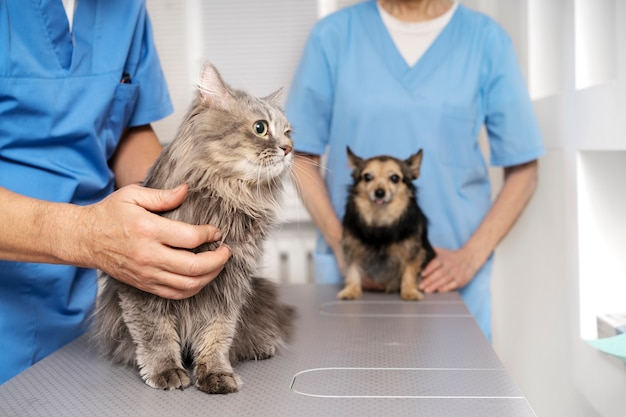
At a proper cat vaccination hospital, the visit begins with a thorough physical examination. Before any vaccine is administered, the veterinary team assesses your cat from head to tail, eyes, ears, teeth, gums, skin, coat, heart, lungs, abdomen, lymph nodes, and overall body condition.
This examination serves two critical purposes. First, it confirms your cat is healthy enough to be vaccinated. Administering a vaccine to a cat that is already unwell, running a fever, or dealing with an underlying condition reduces the vaccine’s effectiveness and can cause complications. Second, it gives the veterinary team the opportunity to catch anything that needs attention, conditions that might not be visible to the owner but are detectable to a trained professional.
Many health issues are first identified during routine vaccination visits. Not because the owner noticed something specific, but because a trained eye was looking carefully.
Reviewing Vaccination History: Not Just Giving Shots
A good cat vaccination center nearby does not apply the same vaccine list to every cat that walks through the door. The first step in any vaccination visit is a review of your cat’s existing vaccination history.
The team looks at what vaccines have been given, when they were administered, which products were used, and what the recommended return dates are. This history directly shapes what is recommended at the current visit.
A cat that is current on all core vaccines and due only for a specific booster gets a very different recommendation from a cat with an incomplete history or one that has been lapsed for two or more years. Getting this right requires records, which is why bringing your cat’s vaccination documentation to every visit matters.
If records are incomplete or unavailable, the team will assess your cat’s age, health status, and lifestyle to make the most appropriate recommendation given the available information.
Core Vaccines: The Foundation of Every Visit
Core vaccines are the non-negotiables. Every cat needs them regardless of whether they are indoor or outdoor, young or old, single-cat household or multi-cat environment.
FVRCP covers Feline Viral Rhinotracheitis, Calicivirus, and Panleukopenia. These three diseases are serious, contagious, and in some cases fatal, particularly Panleukopenia, which carries a high mortality rate in unvaccinated cats. The FVRCP vaccine is typically given as a series in kittenhood and boosted every one to three years in adult cats depending on health and risk profile.
Rabies is legally required under California health guidelines and non-negotiable for all cats regardless of indoor or outdoor status. Wildlife activity in Encino, particularly near the Santa Monica Mountains, makes rabies vaccination especially relevant for cats in this specific area.
The schedule for these core vaccines is determined at every visit based on what your cat has received before and when. A cat vaccination hospital in Encino that knows your cat’s full history makes these determinations more accurately than one meeting your cat for the first time.
Non-Core Vaccines: The Personalized Part of the Visit
Beyond core vaccines, a proper cat vaccination clinic assesses whether any non-core vaccines are appropriate for your individual cat.
Feline Leukemia Virus (FeLV) is the most commonly discussed non-core vaccine for cats. It is spread through close contact between cats and is particularly relevant for cats with outdoor access in Encino, where the active community cat population creates consistent exposure opportunities.
The decision about non-core vaccines is always individual. It depends on your cat’s lifestyle, their level of contact with other cats, their age and health status, and the specific risk environment they live in. A veterinary team that takes the time to understand your cat’s actual situation makes better non-core vaccine recommendations than one applying a generic protocol.
What Happens After the Vaccines Are Administered
The vaccination itself takes seconds. What happens after matters just as much as the injection.
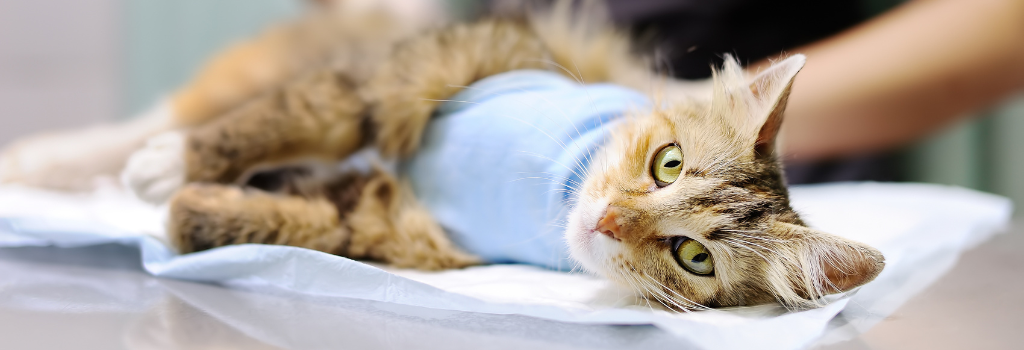
Your cat is monitored briefly in the clinic following vaccination to watch for any immediate adverse reactions. These are rare with modern veterinary vaccines but possible, and a proper cat vaccination hospital has protocols in place to manage them if they occur.
Before you leave, the team updates your cat’s vaccination records completely. The date, the product name, the lot number, and the recommended return date are all documented. You leave with clear, complete records that boarding facilities, emergency vets, and future veterinary teams can rely on.
The next appointment is scheduled before you walk out the door. A cat vaccination clinic nearby that manages reminders and follow-up scheduling takes the tracking burden off your shoulders, which is one of the most practical advantages of building a relationship with a consistent local practice.
Cat Vaccine Prices: What to Expect
One of the most searched questions around cat vaccination is cost. Cat vaccine prices nearby vary depending on the clinic, the specific vaccines administered, and whether the visit includes a wellness exam alongside vaccination.
At a proper cat vaccination hospital, the wellness exam is typically included in or alongside the vaccination visit, because the exam is a clinical necessity, not an add-on. Some low-cost alternatives skip the exam entirely, which reduces the upfront cost but removes the most clinically valuable part of the appointment.
Core vaccines at a full-service veterinary hospital in Encino typically range from moderate to standard Los Angeles market rates depending on the specific products used and the number of vaccines administered. Non-core vaccines are priced individually based on what is recommended.
The team at a quality clinic will always explain costs clearly before proceeding, with no surprises at checkout and no pressure to add vaccines that are not genuinely appropriate for your cat.
Emergency Cat Care: When Vaccination Visits Reveal Something More
Sometimes a cat vaccination visit uncovers something that requires immediate attention. A mass discovered during the physical exam. Abnormal heart sounds. Signs of dental disease more advanced than previously realized. Unexpected weight loss.
A full-service cat vaccination hospital is equipped to handle these findings on the spot rather than sending you elsewhere. In-house diagnostics allow immediate follow-up investigation. The team can move from vaccination visit to diagnostic workup without your cat needing to travel to another facility.
For cat owners who need access to an emergency cat vet nearby as well as routine vaccination services, a full-service hospital that handles both is significantly more valuable than a vaccination-only clinic.
Ready to give your cat the vaccination care they truly deserve? Visit Encino Pet Hospital and Emergency and experience what a proper cat vaccination hospital in Encino actually looks like from the inside. Get directions here and bring your feline friend in today!
Frequently Asked Questions
How often does my cat need to visit a cat vaccination hospital in Encino?
At minimum once a year for adult cats. Kittens need more frequent visits during the initial vaccine series. Senior cats benefit from twice-yearly visits. Your vet will advise on the right schedule for your specific cat.
Do I need an appointment or can I walk in for cat vaccination?
Many cat vaccination hospitals in Encino accept both walk-ins and scheduled appointments. Calling ahead is always a good idea to minimize wait times and ensure the team is prepared for your visit.
What should I bring to a cat vaccination appointment?
Bring your cat’s existing vaccination records, a list of any current medications, and details about any recent health changes or behavioral concerns. The more context the team has, the better the visit goes.
Is a wellness exam really necessary at every vaccination visit?
Yes. The physical exam is not a formality; it is a clinical step that confirms your cat is healthy enough to vaccinate and gives the team the opportunity to catch anything that needs attention. Skipping it reduces the quality and safety of the vaccination visit significantly.
How do I know if my cat had a reaction to a vaccine?
Mild reactions, slight lethargy, minor soreness at the injection site, and reduced appetite for a day are normal and resolve quickly. More significant reactions, including persistent vomiting, significant swelling, or difficulty breathing, warrant immediate contact with the clinic.