

Table of Contents
- Why Jawbone Loss Is So Common in Reconstruction Cases
- What Bone Grafting Actually Does
- The Different Grafting Procedures Used in Reconstruction
- Where Grafting Sits in the Overall Reconstruction Timeline
- What Recovery From Bone Grafting Looks Like
- When Patients Ask If They Really Need It
- FAQs
- Considering Full Mouth Reconstruction?
There is a moment in many full mouth reconstruction consultations that surprises patients. They come in expecting to discuss crowns, implants, and how their smile will look at the end of treatment. Instead, the first thing their dentist wants to talk about is bone.
Specifically, how much of it they have left.
For patients who have been living with missing teeth, advanced gum disease, or failing restorations for years, significant jawbone loss is often part of the picture. And until that bone loss is addressed, the rest of the reconstruction plan simply cannot move forward in the way it needs to.
Bone grafting is not a detour or a complication. It is a foundational step that determines whether everything that follows, the implants, the restorations, the final smile, will actually hold up over the long term.
Why Jawbone Loss Is So Common in Reconstruction Cases
The jawbone exists in a relationship with the teeth above it. When teeth are present and functional, the pressure of biting and chewing transmits through the roots into the bone, stimulating it to maintain its density and volume. Remove the teeth and that stimulation disappears. The bone has no mechanical reason to stay, so it gradually resorbs.
This process starts faster than most patients realize. Significant bone volume can be lost within the first year after a tooth is extracted. Over several years of living with missing teeth, the cumulative loss can be substantial enough to make implant placement impossible without rebuilding the foundation first.
Gum disease compounds this problem significantly. Advanced periodontal disease doesn’t just inflame the gums. It actively destroys the bone supporting the teeth. Patients who have had untreated gum disease for years often present with bone deficiencies across multiple areas of the mouth simultaneously.
What Bone Grafting Actually Does
The simplest way to understand bone grafting is this: it gives the body a scaffold to build on.
Graft material, whether sourced from the patient’s own body, a processed donor, an animal source, or a synthetic compound, is placed in the area where bone has been lost. The material creates a physical framework that the body’s own bone-forming cells can populate and gradually replace with new, living bone tissue.
Over the following weeks and months, the graft integrates with the existing bone structure. The new bone that grows is functionally identical to the patient’s natural bone in density, quality, and suitability for supporting an implant.
The type of graft material used depends on the location, the volume of bone needed, and the patient’s overall health profile. An experienced dental provider discusses these options clearly during the planning stage and explains the reasoning behind each recommendation.
The Different Grafting Procedures Used in Reconstruction
Full mouth reconstruction cases can involve several different types of bone grafting procedures depending on where bone loss has occurred and how much rebuilding is needed.
Socket preservation is performed at the time of tooth extraction. Graft material is placed immediately into the socket before it closes, preventing the rapid bone loss that would otherwise occur and preserving the site for future implant placement. For reconstruction cases involving multiple extractions, this step is often the first grafting procedure in the entire treatment sequence.
Ridge augmentation addresses bone loss that has already occurred in areas where teeth have been missing for some time. The bony ridge of the jaw is rebuilt in width and height to create sufficient volume for implant placement. Healing after ridge augmentation typically takes several months before the site is ready for the next phase of treatment.
Sinus lift procedures are specific to the upper jaw in the region of the back teeth. The sinus cavity sits close to the bone in this area and often limits the vertical height available for implant placement. A sinus lift raises the sinus membrane and introduces graft material into the space created, building up the bone height needed for posterior upper implants.
Block grafting is used for more significant deficiencies where a larger volume needs to be rebuilt. A solid piece of bone, usually harvested from the patient’s own jaw or another donor site, is secured to the deficient area and allowed to integrate before further treatment proceeds.
Where Grafting Sits in the Overall Reconstruction Timeline
One of the most important things patients need to understand about bone grafting in the context of full mouth reconstruction is that it is not a standalone procedure. It is one phase in a carefully sequenced treatment plan, and getting that sequence right is what determines the long-term success of the entire reconstruction.
The typical sequence in reconstruction cases involving bone grafting looks something like this:
- Periodontal treatment to resolve active gum disease before any surgical work begins
- Extractions of non-restorable teeth combined with socket preservation grafting where appropriate
- Ridge augmentation or sinus lift procedures for areas requiring more significant bone rebuilding
- Healing period for graft integration, which varies by procedure type and volume
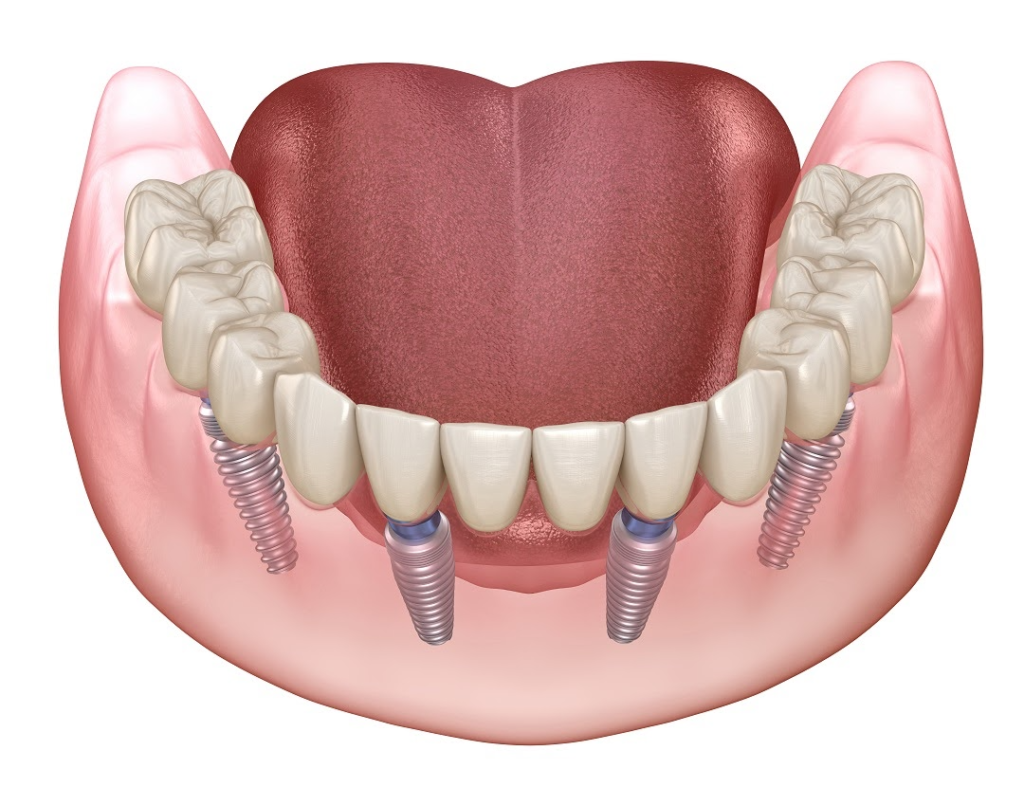
- Implant placement once grafted sites have healed sufficiently to support osseointegration
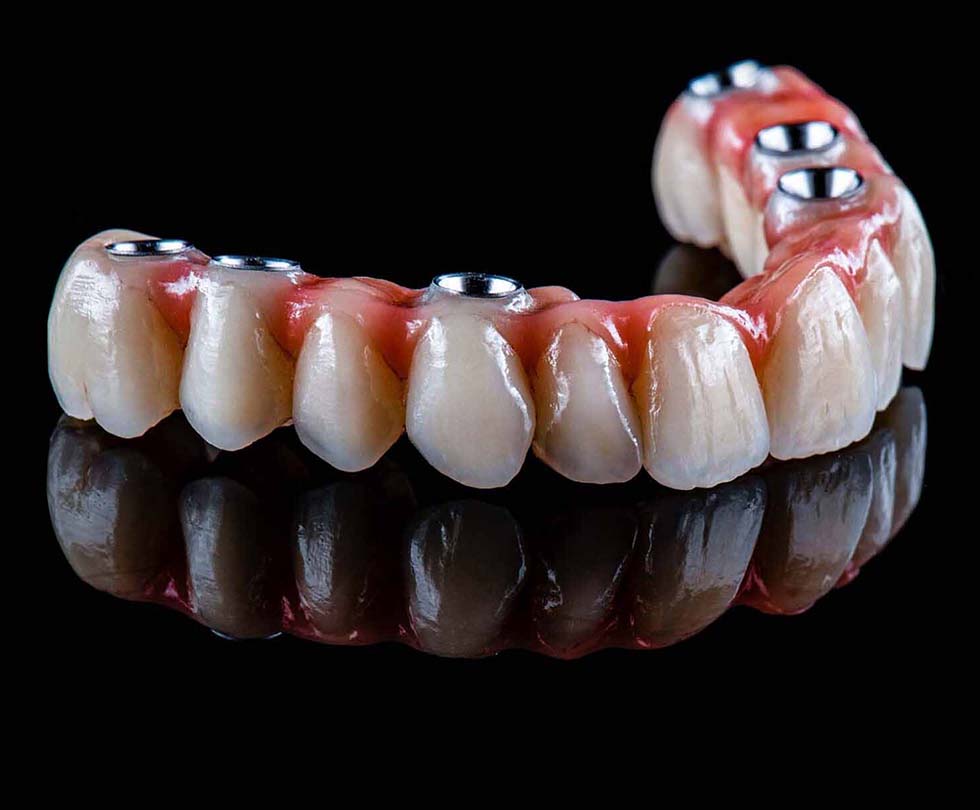
- Final restorations placed after implants have fully integrated with the bone
For patients exploring full mouth restoration in Agoura Hills who discover that bone grafting is part of their plan, this sequencing is what protects their investment. Every phase creates the conditions for the next. Rushing any stage, or skipping grafting when it is clinically indicated, produces a foundation that cannot support what is built on top of it.
What Recovery From Bone Grafting Looks Like
Patients who have never had a bone graft often imagine recovery to be more difficult than it actually is. For most grafting procedures in a dental context, the experience is manageable.
Mild swelling, some tenderness, and fatigue in the first few days are normal and expected. Most patients find these effects well controlled with prescribed pain relief and straightforward post-operative care instructions. The procedure itself is performed under local anesthesia, and sedation options are available for patients who prefer to be deeply relaxed throughout.
The most variable aspect of recovery is time. Minor socket preservation grafts require only a few weeks of healing before the next treatment phase. Larger ridge augmentation and sinus lift procedures require four to six months of healing for the new bone to mature sufficiently before implant placement. Patients who understand this from the start are better prepared to commit to the full timeline without feeling discouraged by the pace.
When Patients Ask If They Really Need It
The most honest answer to this question is: if your provider is recommending bone grafting as part of your reconstruction plan, they have seen something on imaging that indicates the bone is not sufficient to support what comes next.
Attempting to place implants without adequate bone leads to implant failure. It does not save time or money. It sets the entire reconstruction back further than the original grafting timeline would have.
A thorough 3D cone beam CT scan at the consultation stage gives both patient and provider an accurate picture of bone volume and density across the entire jaw before any treatment decisions are made. This imaging removes the guesswork and allows for a reconstruction plan built on what is actually there, not on assumptions.
FAQs
Does everyone need bone grafting before implants?
No. Patients with sufficient bone density and volume can proceed directly to implant placement. A 3D scan at consultation determines whether grafting is needed for each individual case.
How long does bone grafting take to heal before implants can be placed?
Minor socket preservation grafts may be ready within a few weeks. Ridge augmentation and sinus lifts typically require four to six months of healing before implant placement can proceed safely.
Is bone grafting a separate procedure from implant placement?
Usually yes. In most cases the graft is placed first and allowed to heal before the implant is placed. In some straightforward situations, grafting and implant placement can be combined in a single procedure.
What happens if bone loss is not addressed before reconstruction?
Implants placed without sufficient bone fail to achieve the osseointegration needed for long-term stability. Addressing bone loss first gives the reconstruction the foundation it needs to succeed.
Can bone lost from gum disease be restored?
In many cases yes, depending on the severity and location of the loss. A thorough clinical assessment determines what is achievable for each individual patient before any treatment begins.
Considering Full Mouth Reconstruction?
Agoura Advanced Dentistry serves patients across Agoura Hills, Calabasas, Westlake Village, Thousand Oaks, Oak Park, Hidden Hills, Newbury Park, Bell Canyon, and Lake Sherwood. Call (818) 874-3533 or visit agouradds.com to schedule your full mouth reconstruction consultation today.