

If you’ve spent any time researching veneers online, you’ve probably come across this claim: veneers ruin your natural teeth. People say they file your teeth down to nothing. They say you’ll be stuck with dental work for life. It’s a scary thought, and it stops a lot of people from even booking a consultation.
Here’s the truth. This myth has a small grain of fact buried inside it, but it’s been blown way out of proportion. Once you understand what actually happens during the procedure, the fear behind this myth starts to fall apart.
Table of Contents
Where the Myth Actually Comes From
To place a veneer, your dentist removes a thin layer of enamel from the front of your tooth. We’re talking less than half a millimetre in most cases. That’s roughly the thickness of a fingernail.
Why remove anything at all? Two reasons. First, it makes room for the veneer so it doesn’t look thick or bulky once it’s bonded in place. Second, it gives the bonding material something to grip onto, which helps the veneer stay securely attached for years.
Since enamel doesn’t grow back, some people hear “enamel removal” and panic. But there’s a massive difference between careful, controlled preparation and sloppy, excessive filing. That difference comes down to one thing: who’s doing the work. This is exactly why finding the best veneers in Agoura Hills matters so much. A skilled dentist removes only what’s necessary. Nothing more. The technique, the precision, and the experience behind it all directly affect whether your natural teeth stay healthy and protected throughout the process.
Why People Believe the Worst
A lot of the fear around veneers comes from older stories, outdated techniques, or cases where a dentist simply didn’t have the right training. Decades ago, veneer preparation wasn’t always as precise as it is today. Some patients did end up with more enamel removed than necessary, which led to real complications like sensitivity or weakened teeth.
Those stories stuck around. They got passed from person to person, turning into a blanket rule that “veneers always damage your teeth.” But dentistry has changed a lot since then. Better imaging, better materials, and better training mean today’s veneer procedures are far more conservative and predictable than they used to be.
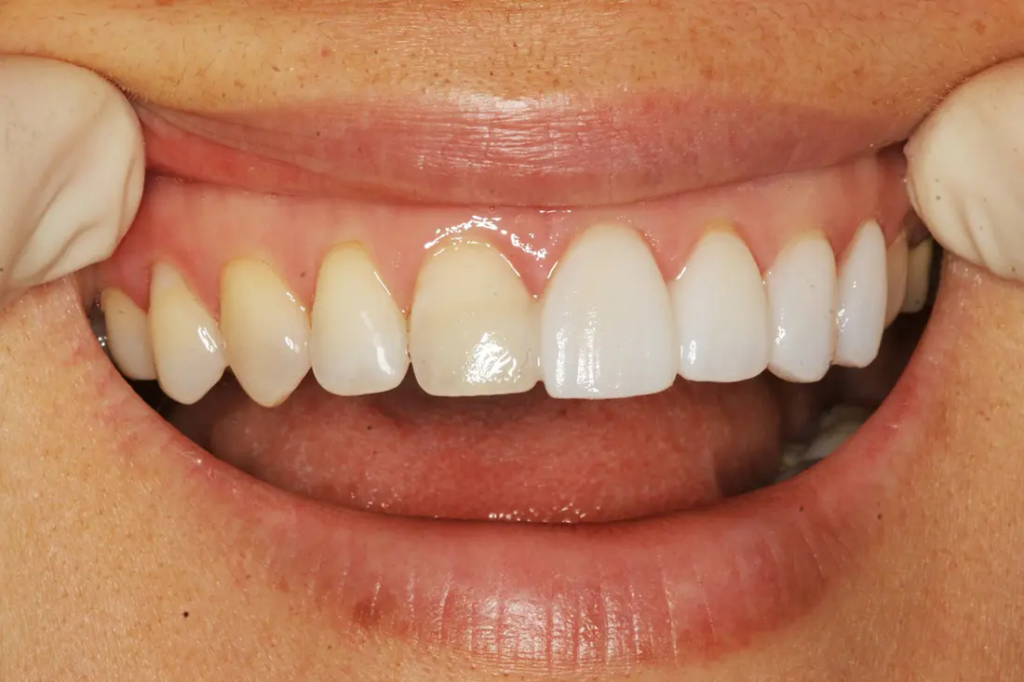
Traditional Veneers vs. No-Prep Veneers
Not every veneer requires the same amount of enamel removal. Dentistry has evolved, and now there are gentler options too.
- Traditional veneers – require minimal enamel reduction for a natural fit
- No-prep veneers – use little to no enamel removal at all
- Minimal-prep veneers – fall somewhere in between, based on your specific teeth
No-prep veneers sound great, but they’re not right for everyone. Your tooth size, shape, and alignment all play a role. That’s something your dentist will walk you through during a porcelain veneers consultation, where they’ll assess your bite and recommend the option that fits your mouth best.
What Really Protects Your Teeth
Enamel removal isn’t the villain here. Poor technique is. A good dentist focuses on a few key things to keep your teeth safe long term.
- Removing the smallest amount of enamel possible
- Making sure your bite stays balanced and even
- Using high-quality, durable porcelain
- Sealing the bond tightly so bacteria can’t sneak in underneath
- Scheduling regular checkups to monitor everything over time
When all of this is done right, veneers don’t weaken your teeth. They can actually help protect the front surface from future wear, chipping, or staining. Think of it less like damage and more like a shield with a much better smile attached.
It also helps to remember that veneers aren’t a one-and-done decision made lightly by your dentist. There’s usually a planning phase first, where your teeth are examined, your bite is studied, and your goals are discussed. This planning is what separates a rushed, generic approach from one that’s tailored specifically to protect your natural tooth structure.
Thinking About Veneers? Start With the Right Consultation
Veneers can completely change how you feel about your smile, but the process matters just as much as the result. Choosing an experienced dentist for your cosmetic dentistry consultation is the best way to protect your teeth while getting the smile you want.
What If You Ever Want Veneers Removed?
This is a fair question, and it deserves an honest answer. Since a small amount of enamel was already removed to place your original veneer, your tooth won’t go back to looking exactly like it did before. You’d likely need a replacement restoration, whether that’s a new veneer or a crown.
That’s not the same as “ruining” your tooth. It’s simply how the process works once you’ve made the decision to move forward. Most patients who are well informed going in have no regrets about this trade-off, especially once they see how much more confident they feel using their new smile every day.
It’s also worth noting that veneers are designed to last for many years. Most patients don’t think about replacement for over a decade, so this isn’t something you’ll need to worry about right after treatment.
Why Your Dentist Matters More Than Anything
Here’s the real takeaway. The biggest factor in whether veneers help or hurt your teeth isn’t the material or even the procedure itself. It’s the person doing the work.
A dentist who takes their time, plans your bite carefully, and uses quality materials will give you results that last. Before you commit to treatment, ask questions. How much enamel will be removed? What materials do they use? How do they handle alignment and bite during the process? Have they handled cases similar to yours before?
Their answers will tell you everything you need to know about whether they’re prioritizing your long-term tooth health alongside your new smile. A confident, transparent dentist won’t hesitate to walk you through their exact process step by step.
Setting Realistic Expectations
One more thing worth mentioning. Veneers are a cosmetic treatment, but they still require maintenance like any other part of your mouth. Brushing, flossing, and regular dental visits remain just as important after veneers as they were before. Veneers don’t decay the way natural teeth can, but the gum line and surrounding tooth structure still need attention.
Patients who treat their veneers as a long-term investment, rather than a quick fix, tend to have the best outcomes. That mindset, paired with a skilled provider, is really what determines whether your experience with veneers is a positive one.
FAQs
Do veneers actually damage your teeth?
Not when done correctly. A small, controlled amount of enamel removal is normal and doesn’t harm your tooth’s long-term health.
Are no-prep veneers better than traditional ones?
They can be, but they’re not for everyone. It depends on your natural tooth shape and alignment.
Can veneers be taken off later?
Yes, but your tooth will need a replacement restoration since some enamel was already removed.
How long do veneers usually last?
Most veneers last ten to fifteen years with proper care and regular dental visits.
Will my teeth feel sensitive after getting veneers?
Mild, temporary sensitivity is common for a few days. It typically goes away on its own.